Bangladesh, Laos and Cambodia
drop new-energy tariffs.
Between April and July 2026, Bangladesh, Laos and Cambodia cut their import taxes on electric vehicles, solar panels and batteries — most of them all the way to zero. Thailand and Indonesia went the other way in January. If you buy, sell or ship this equipment, the prices you knew last year are wrong.
Something strange happened across South and Southeast Asia this year. Four governments, without talking to each other, rewrote the taxes they charge on electric vehicles, solar panels and batteries. Most of them cut those taxes all the way to zero. A fifth country, Indonesia, slammed the door shut instead.
This wasn't really about climate. Every one of these countries imports fuel and pays for it in dollars — dollars they'd rather keep. A vehicle that charges from a local dam or a local solar panel needs no imported fuel. Cutting the tax on electric things is a way of protecting the country's money.
If you import, sell or finance this equipment, here is the practical point: the prices you worked out in 2025 are now wrong — in some cases by 30 to 50 percent. Here is what changed, country by country.
Tariffs: From 59% to Zero
Bangladesh made the biggest change of any country in the region, in its budget for 2026–27.
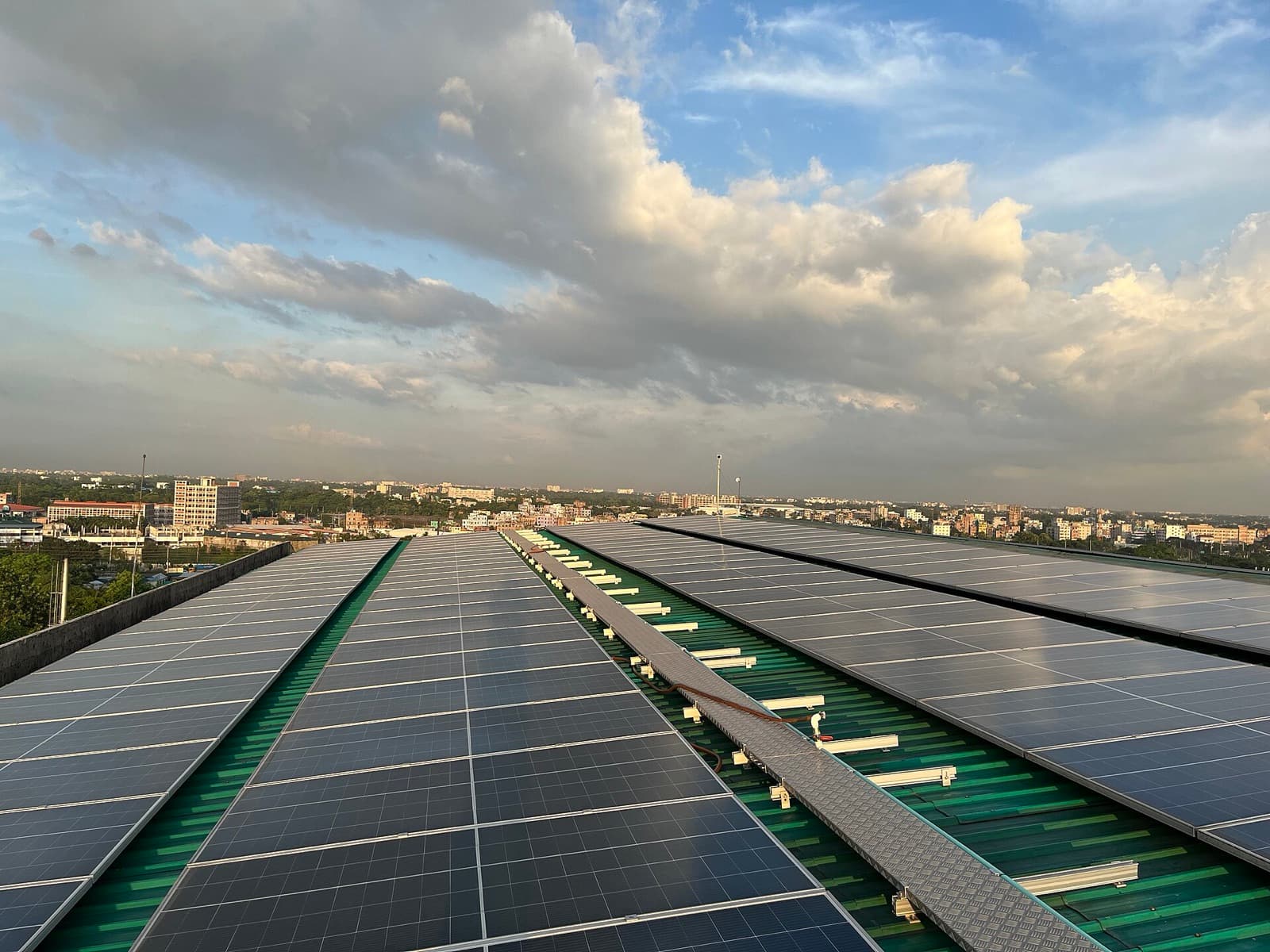
Solar first. All four import taxes on solar equipment — import duty, regulatory duty, supplementary duty and advance tax — dropped to zero. On the core equipment they stay at zero until 30 June 2031. But the relief on mounting structures, lithium cells and battery packs runs only to June 2028, which is a different planning horizon entirely. Before this, the combined charge on solar equipment reached about 59 percent.
The cut is wide: solar modules, inverters, steel and aluminium mounting structures, lithium-ion cells and battery packs, and battery housing. Check your own line against the gazette — the published lists name specific items, not "solar equipment" as a class. And companies that build solar power plants pay no income tax on earnings accrued until 30 June 2035.
Vehicles too. From July 2026 through June 2030, electric buses and trucks come in duty-free — though VAT still applies — while taxes on gasoline and diesel vehicles went up, to roughly 156 percent on 1,200–1,600cc engines. Chargers and charging-station equipment went from 39.75 percent to zero. Brand-new plug-in hybrids up to 1,800cc get less than a clean exemption: supplementary duty reduced, regulatory duty withdrawn. Raw materials for making lithium and sodium batteries locally are also covered.
The fine print matters. The cuts apply to specific product codes, not to 'clean energy' in general. Get the classification wrong and you pay the full old tax — the gap between the right code and the wrong one is now the entire duty. And used or rebuilt equipment usually doesn't qualify: the hybrid rule, for example, only covers brand-new vehicles.
No More Gasoline Cars
Laos didn't cut taxes. It banned the competition.
From June to the end of December 2026, you cannot import a gasoline or diesel passenger car into Laos at all. There are exceptions — buses, machinery, trucks for development projects, special-purpose vehicles — but ordinary cars are blocked. The ban lands exactly on the segment where affordable electric alternatives already exist.
The rewards are just as direct. Electric vehicles under $50,000 pay no excise tax. Registration is cheaper. Transport companies must make at least 10 percent of their fleets electric by the end of 2026. The national goal is 30 percent of all vehicles by 2030.
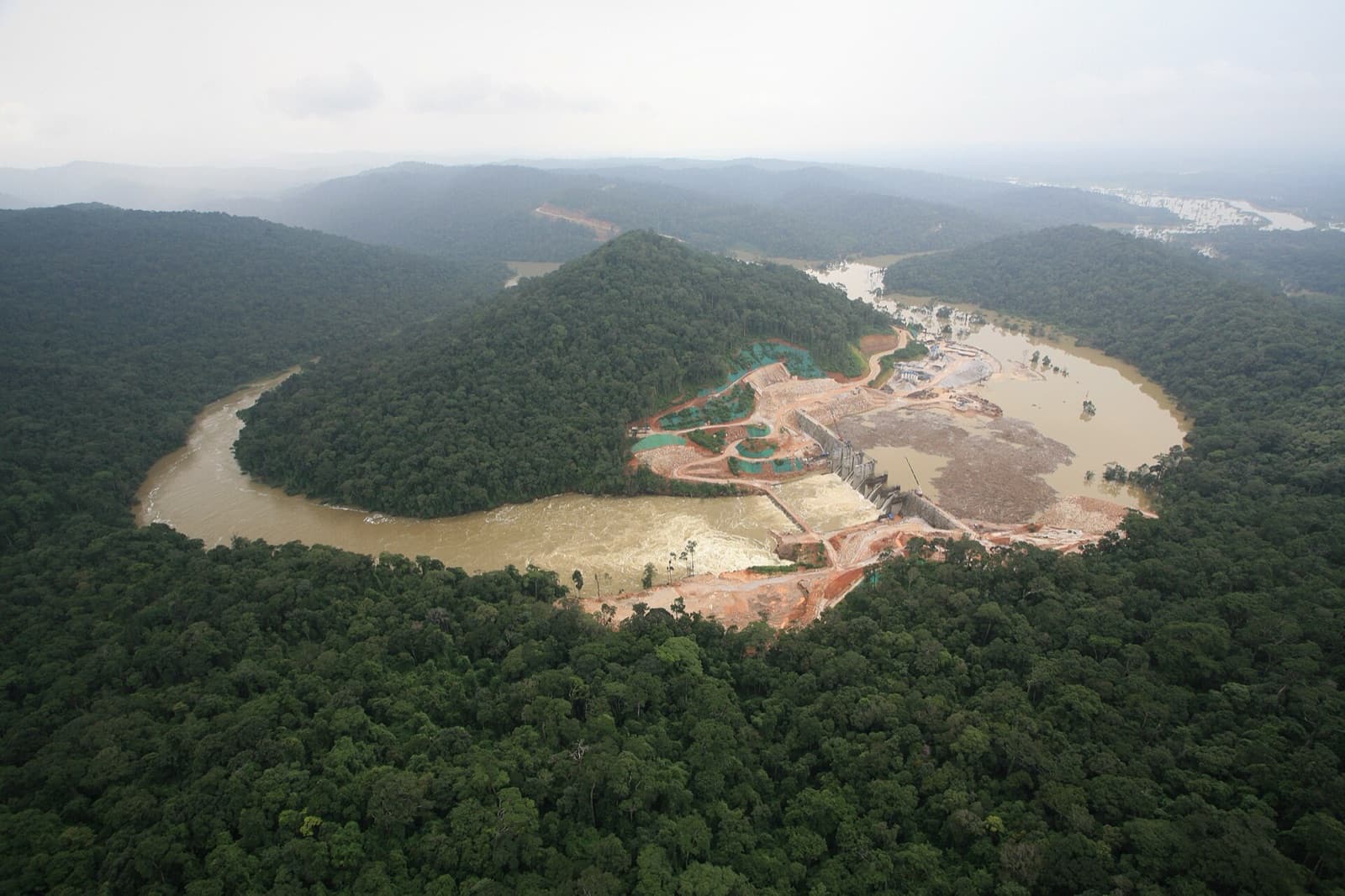
The country is building the infrastructure at the same time: in April, the government signed up 27 public and private partners to build charging stations, battery-swap points, a shared digital platform and financing products. The logic is simple. Laos makes almost all of its electricity from its own dams, but pays scarce foreign currency for fuel. Every electric vehicle turns an import bill into local business.
If you sell electric two-wheelers or small commercial vehicles, Laos is now the clearest opening in the region: a legal requirement to electrify, a battery-swap network going up, and no gasoline competition. One catch — the ban is a window, not a settled policy. It runs only to 31 December 2026, and nothing has been published about what follows it.
Fast and wide
Cambodia moved fast. A decree signed on March 26 took effect on April 1.
Chargers and solar lamps: 7 percent tax, now zero. EV motors, solar systems, lithium batteries, storage: 15 percent, now zero. Another 179 product lines — hybrids, plug-in hybrids, electric cars and trucks — also went to zero. Some plug-in hybrid family cars dropped from 35 percent tax to 7.
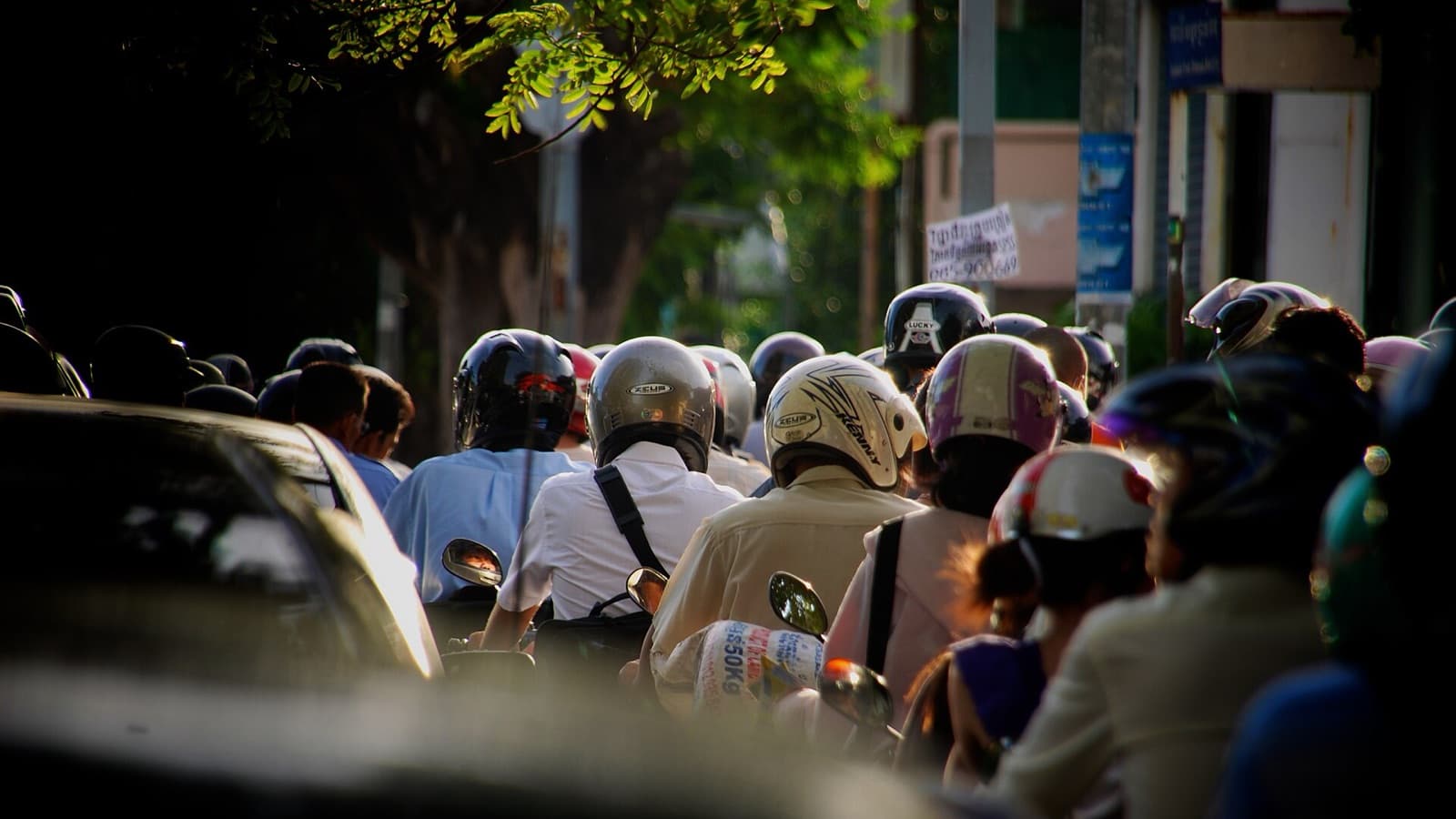
But keep the market in view. As of February, only about 14,500 of Cambodia's 8.3 million registered vehicles were electric. A new EV costs around $29,000. A new gasoline car costs about $16,000, and a used one $6,500. And there are still very few places to charge.
Cambodia removed the tax problem, but not the price problem or the charging problem. In the short run, this change helps solar and battery projects more than it helps car sales.
Build here, or pay
Thailand is moving the other way — and if you assume “Southeast Asia is opening up”, you will get Thailand wrong.
The rules now push hard toward local factories. For every EV a company imports in 2026, it must build two in Thailand. In 2027, three. And from Jan. 1, 2026, no more than 10 percent of an EV's factory price can come from imported battery cells — down from 15.
Fully electric cars still get a low 2 percent excise tax, down from 8. Plug-in hybrids are taxed by how far they go on electricity alone: 5 percent if they manage 80 kilometers or more, 10 percent if less. Ordinary and mild hybrids are not in that scheme at all — they are still taxed on emissions, so do not price them off the range table. A vehicle trade-in program floated in April was shelved by the finance ministry in June; a replacement is being drawn up, so do not build a forecast on it yet.
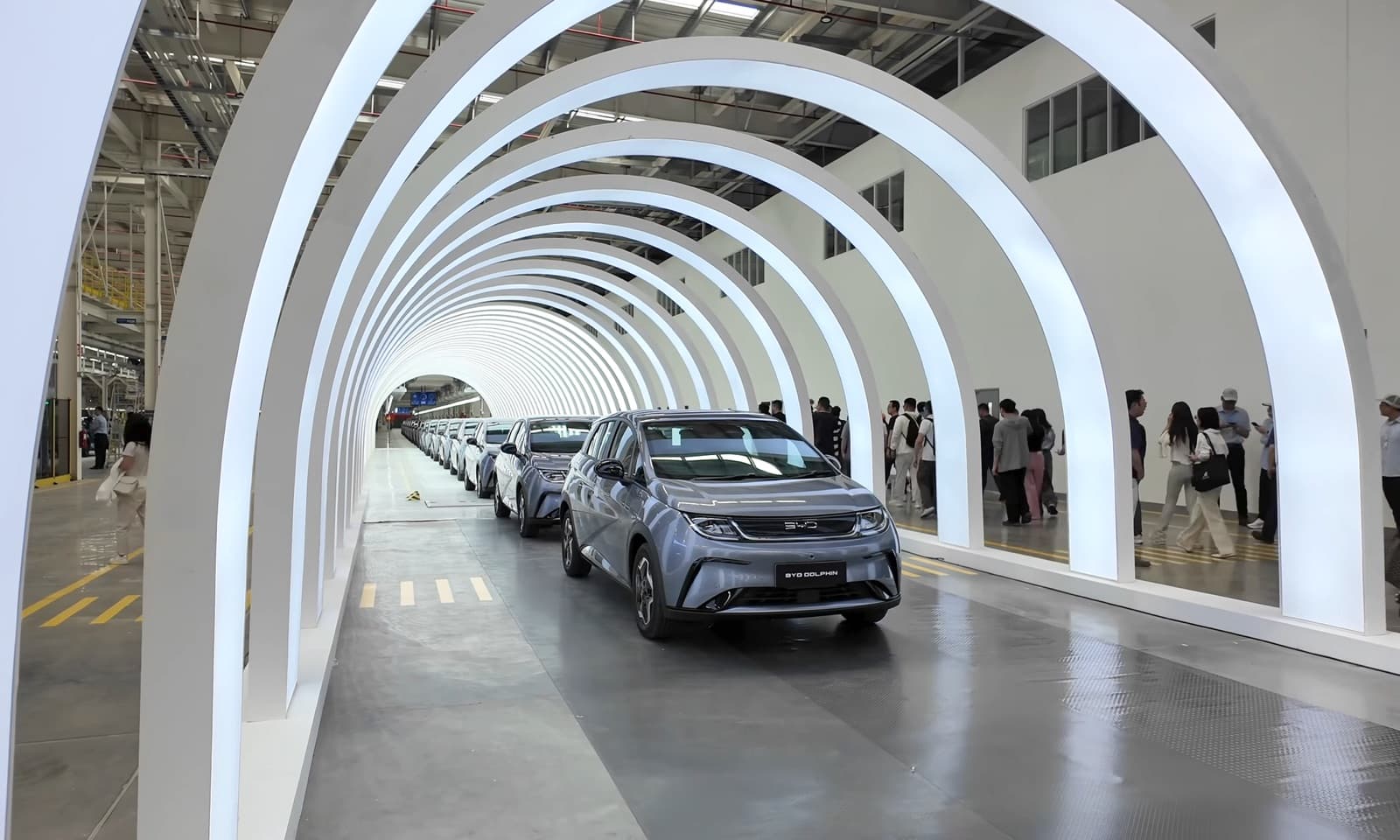
Thailand does not want your imports. It wants your factory. The opportunity there is assembly and batteries, not shipping cars in — import-only businesses are being squeezed out on purpose.
The door closed
Indonesia closed the door the others opened.
Through Dec. 31, 2025, you could import a fully built EV with no import duty, no luxury tax and almost no VAT. All of that is gone. From Jan. 1, 2026, the tax breaks only go to EVs built or assembled in Indonesia with at least 40 percent local content.
And the bar keeps rising faster than most plans assume: 40 percent local content from 2026, 60 percent across 2027–2028, 80 percent by 2030. Companies that promise to build locally and fail must pay back the taxes they were spared — and get smaller import quotas afterward.
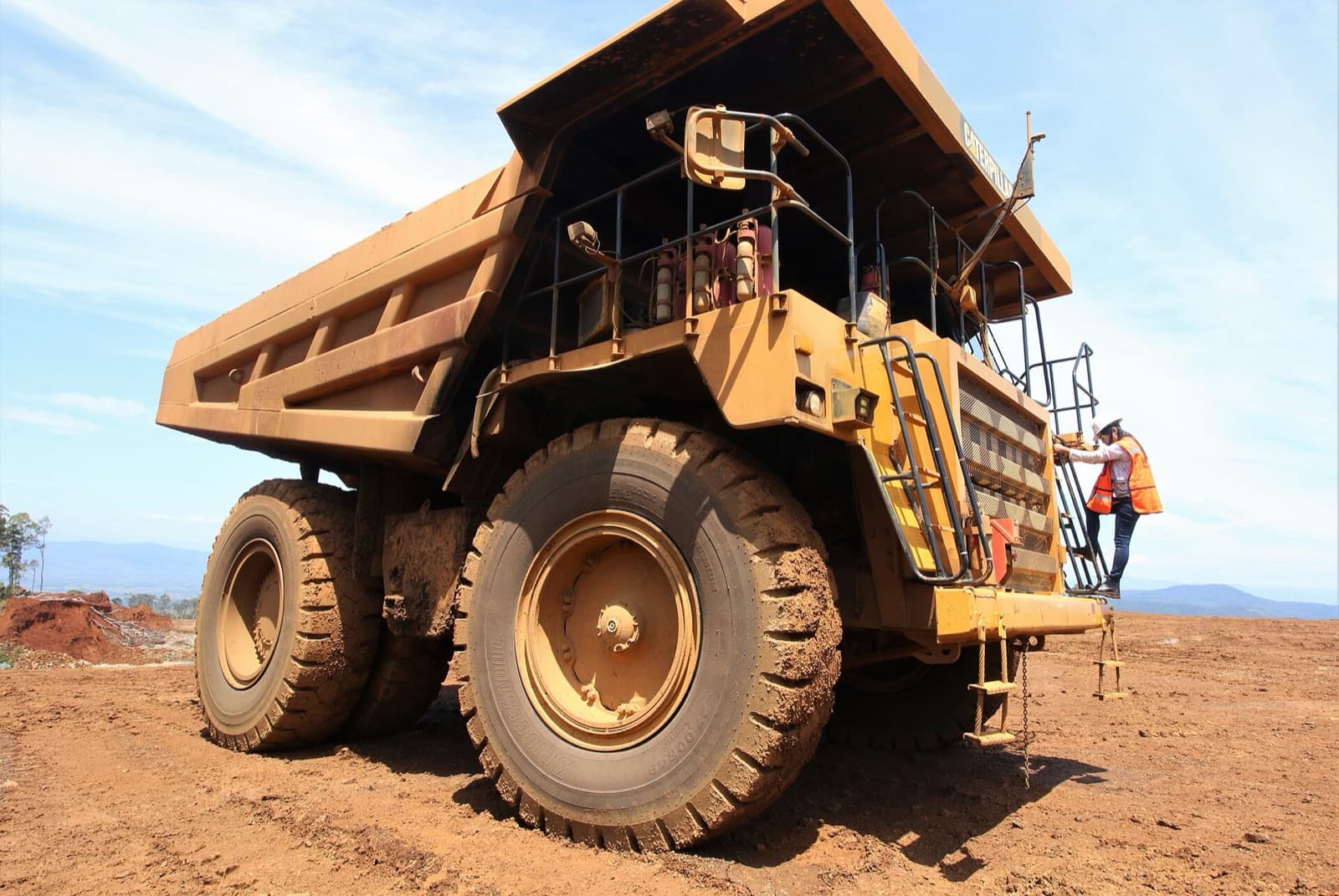
Indonesia has the world's nickel and is using it as leverage: build here or pay full price. There is no more “import first, build later.” Entering this market now means a factory or a local partner from day one.
What it adds up to
| Market | Direction | Headline change | Effective |
|---|---|---|---|
| Bangladesh | Opening | Solar and EV bus/truck duties to zero; VAT still applies on vehicles | Jul 2026 · ends 2028/2030/2031 |
| Laos | Opening, forcefully | Gasoline/diesel passenger imports suspended; EVs under $50,000 excise-exempt | June–Dec. 2026 |
| Cambodia | Opening | EV, solar and storage lines to zero across 179+ tariff lines | April 2026 |
| Thailand | Tightening | Local production ratios to 2:1; imported cell content capped at 10% | Jan. 2026 |
| Indonesia | Closing | CBU import incentives ended; 40% TKDN required for relief | Jan. 2026 |
Three things follow from all this.
- 01
This is not one story. Bangladesh, Cambodia and Laos welcome imports today. Thailand and Indonesia welcome factories and punish imports. A plan built for one half of the region fails in the other half.
- 02
The hard part has moved. For a decade, taxes were the reason clean energy cost too much in these countries. In three of the five, that is over. What is scarce now is chargers, financing and distribution — working capital for importers, and sales channels that reach the people who actually run vehicles. That is a harder problem than a tax table. It is also where the money is.
- 03
These doors have closing dates. The Lao import ban runs to the end of 2026. Thailand's imported-cell allowance ends June 30, 2026. Bangladesh's vehicle waiver runs to 2030 and its core solar waiver to 2031 — but the relief on mounting structures, lithium cells and battery packs stops in June 2028. Policy here changes fast in both directions, and several of these deadlines exist precisely to make people move now.
Sources
- Bangladesh unveils sweeping EV incentives — Mongabay
- Bangladesh eliminates solar import taxes — Blooming
- Solar power, EVs set to gain from green budget measures — The Daily Star
- Laos suspends fuel-powered vehicle imports — Eco-Business
- Laos bans gas and diesel car imports — Electrek
- Cambodia cuts import and export taxes — Khmer Times
- Cambodia scraps EV import taxes — Eco-Business
- Thailand's proposed EV incentives — Mahanakorn Partners
- Implications of Thailand's EV 3.0 and 3.5 policy changes — Tradewin
- Indonesia to tighten fiscal policy on EVs from 2026 — Indonesia Business Post
- Solar equipment imports granted duty-free benefits — Prothom Alo
- Thailand to revise PHEV duties from January 2026 — Paul Tan
- Indonesia to end incentives for imported CBU BEVs in 2026 — Antara News
This is general commentary, not customs, tax or legal advice. Tax codes are specific to exact product lines — confirm yours with a licensed clearing agent before you ship.