Building with AI · June 2026
A Pali PhD in My Pocket
I shipped a book, an audiobook, a Chinese edition, and a mobile app in one week — while traveling and running my fund. The app took two weeks. Not to build. To get past App Store review.
I don't read Pali
Let me be clear about the starting line. I studied classical Chinese in school — years of it. I can (barely) read it. Pali, the language the Buddha's earliest recorded teachings are preserved in? Not a word.
But I can translate classical Pali now, because I have a Pali PhD in my pocket. An ancient-languages PhD, because I have R2-D2 in my pocket, because I have C-3PO in my pocket.
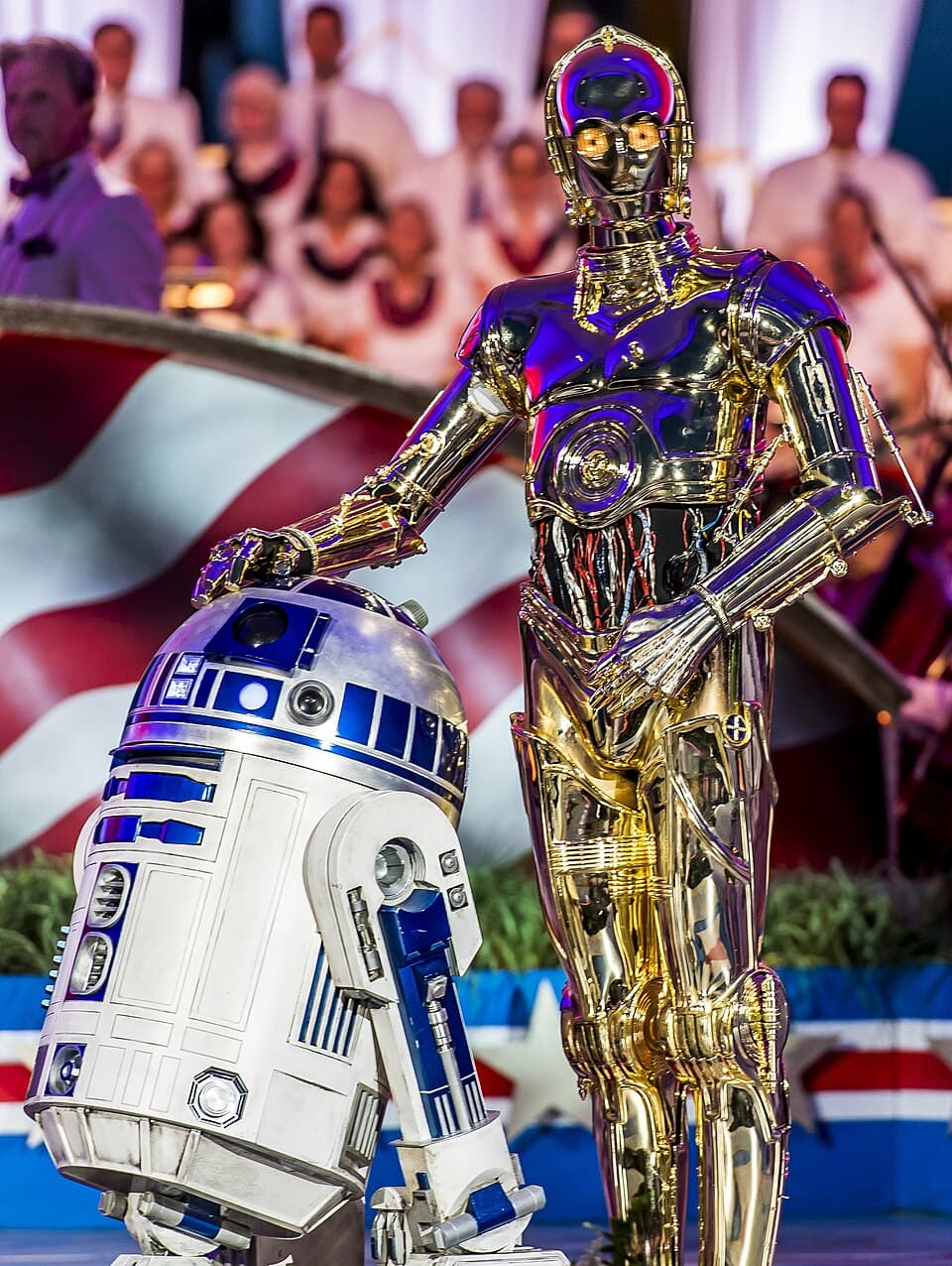
The phone hasn't changed. What's behind it has. And that's the whole thesis of this post: the quality of what you can make no longer depends on your technical skills — it depends on your imagination. Here's what that looked like over fifteen days, with the git history as receipts.
What got built
Plain Dharma is six foundational Buddhist suttas — the first sermon, the fire sermon, the Metta Sutra, the Satipatthana, the Kalama Sutra, the Anattalakkhana — translated from Pali into plain, modern English. About 5,300 words of finished translation. From that one source of truth came:
- A reading website — plaindharma.com
- A narrated audiobook — 300+ audio files across two playback speeds, assembled into a chaptered m4b
- A complete Simplified Chinese edition, text and narration
- An EPUB and print-ready PDFs, barcode and all, for KDP
- A mobile app (iOS and Android) with offline audio and lock-screen controls
- Twelve illustrations — one per sutta, light and dark variants — in a single gestural ink line with a saffron watercolor wash
All of it is CC0 — public domain. The remix page gives away every asset: audio stems track by track, the source art, the plain-text source. Old wisdom shouldn't have a paywall.
Listen for yourself

This is the opening of the Metta Sutra — On Loving-Kindness — exactly as it plays in the app:
Here's how that narration happened. I gave Claude my ElevenLabs API key and let it handle the audio end to end — voice selection, section splitting, pause markers written into the manuscript itself. The first pass came back beautiful and wrong: it read dharma at podcast speed. So I told Claude to slow it down, and it reached for ffmpeg — the decades-old Unix workhorse quietly powering half the media software you've ever used — and time-stretched every track 20% slower. 30% for the Chinese edition.
That's the detail worth noticing. I didn't need to know ffmpeg's flags any more than I needed to know Pali. Claude speaks ffmpeg the way it speaks Pali — the same way it speaks ImageMagick, which it used to cut the illustration backgrounds to transparency for dark mode. Every crusty, powerful old tool your senior engineers half-remember is now conversational.
The week, by the git log
First commit. Six foundational suttas translated from Pali into plain modern English, the reading site designed and live.
Full audiobook narration generated — a meditative ElevenLabs voice, time-stretched 20% slower, with pause markers written straight into the text.
The Chinese edition launched — all six suttas in Simplified Chinese, plus donations and downloads.
Chinese narration (a second voice, stretched 30% for meditative pacing), ink-and-saffron illustrations generated with Gemini, audiobook assembled into a chaptered m4b, EPUB and print PDFs rendered.
The mobile app — same content, offline audio, lock-screen controls — built with Expo and submitted. Then the long wait: App Store review.
Fifteen calendar days from feat: bootstrap Plain Dharma to final print proofs — and most of the second half was polish and waiting on Apple. I wasn't at a desk for it either. This happened from airports and hotel rooms, in the gaps around running AimHuge Holdings.
How it actually worked
None of this used secret tools. The translation was Claude, working sutta by sutta, with me as the editor asking the question every translator asks: what is this passage actually saying, and how would you say it plainly? My classical Chinese turned out to matter — not for reading Pali, but for knowing what good and bad translation of ancient texts feels like, and pushing back when a line went stiff.
The audiobook is a text-to-speech pipeline with taste: pause markers written into the manuscript as comments, a voice chosen for warmth, then the whole narration time-stretched 20% slower — 30% for the Chinese — because dharma read at podcast speed isn't dharma. The illustrations came from Gemini with a hard style constraint: one gestural ink line, a saffron wash, no Buddhist iconography. The app reads the exact same source files as the website, so every edition — web, audio, print, mobile, English, Chinese — flows from one set of MDX files.

The point isn't any single trick. It's that one person with judgment and a clear picture of the finished thing can now run what used to be a publisher, a recording studio, a translation bureau, an illustrator, and an app team — in the gaps of a working week.
What this means for your business
I tell the teams I train: AI lets you do things you only dreamed about. This book was my dream — yours is probably a product, a market, a process. The constraint has moved. It's no longer "do we have the technical staff?" It's "can we imagine it clearly enough to ask for it?"
That shift is learnable — it's exactly what we practice in the workshops and advisory. And your competitors are holding the same phone.